

My work as a historian has always been guided by the belief that education is most powerful when it crosses borders, builds bridges, and creates spaces of dialogue.
At the Federal University of Viçosa in Brazil, I created and coordinated an international cooperation agreement with Eduardo Mondlane University in Mozambique. This partnership fostered mobility for students, faculty, and staff, opening pathways for training and collaboration. One of its most meaningful results was a groundbreaking study on recent Mozambican cinema, which produced a wide-ranging inventory of films made in the country, a project made possible through the exchange of ideas and people across the Atlantic.

Between December 2019 and November 2022, I served as a consultant for Nanjing Agricultural University in China, after taking part in a diplomatic mission on behalf of the Center for Humanities, Letters, and Arts (UFV). During this period, I was able to share the trajectory of African history research in Brazil, learn about the expanding research agendas on Africa in China, and contribute to building academic bridges that can sustain future collaborations. A similar initiative was started with Cheikh Anta Diop University in Senegal but was interrupted by the COVID-19 pandemic. Now, as a faculty member at the University of California, Santa Cruz, I am reconnecting with Senegalese colleagues to continue building these vital exchanges.
These efforts have also led me to speak internationally about the importance of global education. In 2024, I was honored to be a guest speaker at the III Meeting of Young Researchers from Portuguese-Speaking Countries on Africa in Luanda, Angola. In my lecture, I emphasized that higher education must remain deeply connected to surrounding communities, so that academic collaboration becomes a pathway to shared progress and sustainable development.
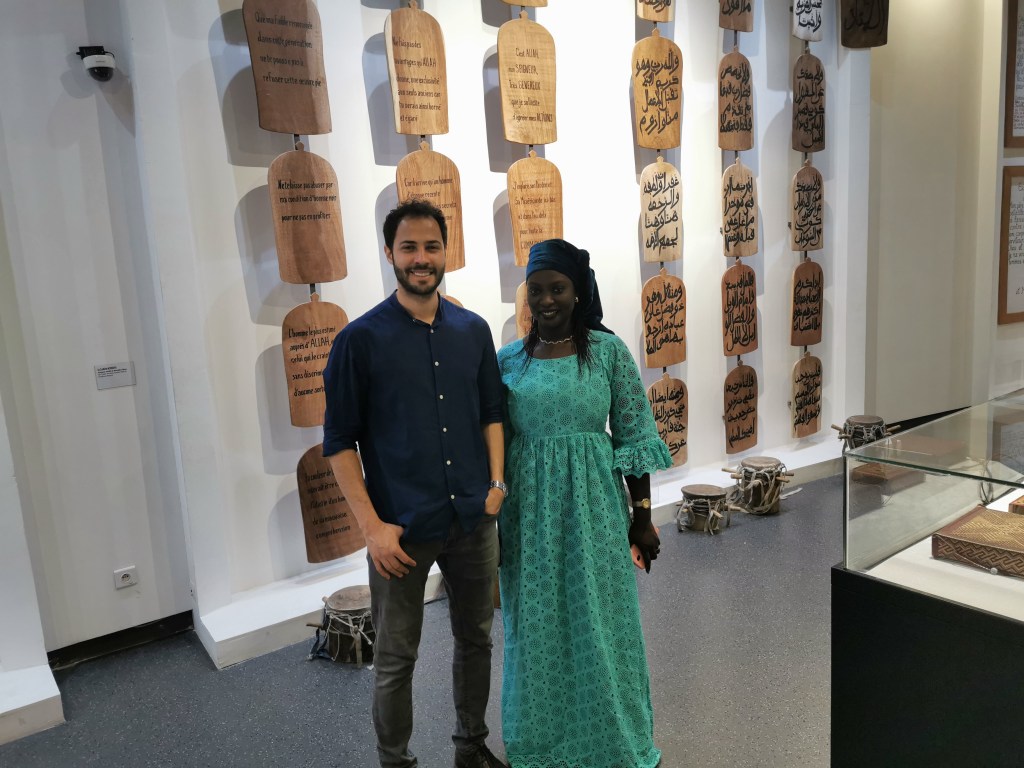
At UCSC, I continue to put these principles into practice. I designed the course Cultural Heritage in Africa, which blends classroom study with experiential learning. As part of the course, I will take students to Senegal to visit UNESCO World Heritage Sites and to engage in dialogue with local students and researchers. The goal is not only to study African history but to live it through exchange, collaboration, and mutual growth.
For me, teaching African history means promoting global education by bringing African universities and communities into the heart of academic life. It means opening opportunities for students to see the world differently, and for institutions to grow together in dialogue, respect, and shared knowledge.
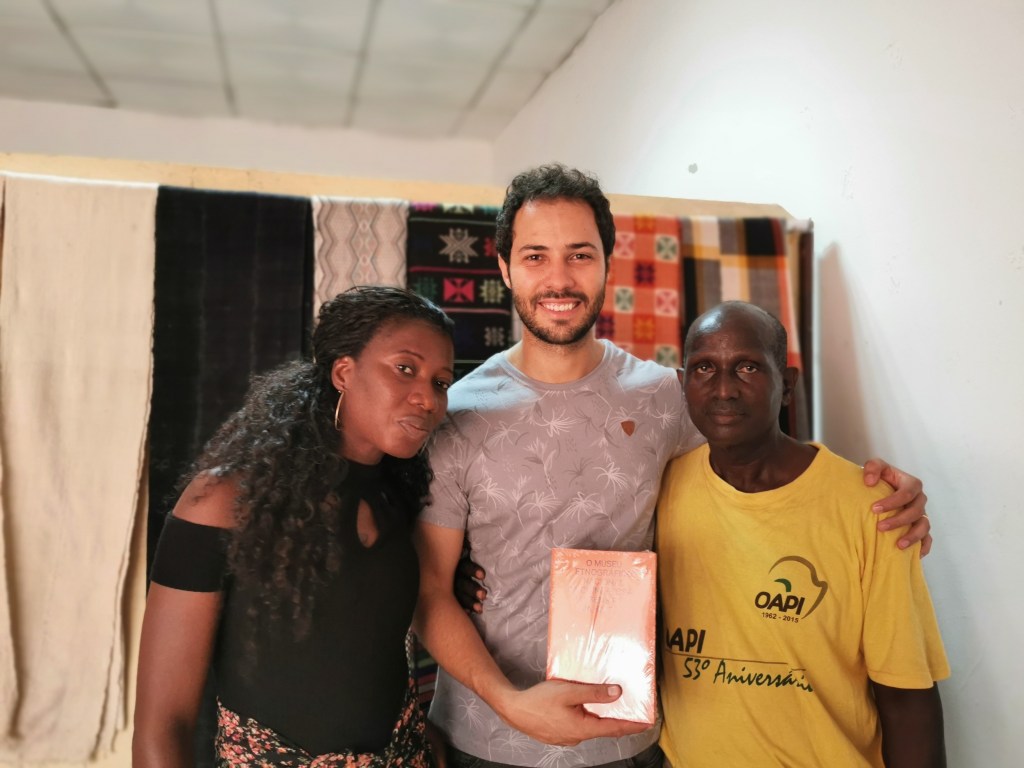
I am also currently working on a partnership with the Ethnographic Museum of Bissau to promote an exhibition of the museum’s Islamic collection at UCSC’s Institute of Arts and Sciences, creating a new opportunity for cross-cultural learning and public engagement.
If you are interested in building new global education projects, fostering international collaboration, or creating meaningful opportunities for students, I would be delighted to connect and explore possibilities together.
 Thiago H. Mota