

My professional trajectory has been deeply shaped by the design and implementation of curricula in African History.
Between 2018 and 2024, I served as a faculty member in the Department of History at the Federal University of Viçosa (Brazil). I was hired to develop the first courses on African History ever offered by the department, starting in 2019. In this role, I created and taught three core courses:
- African History I – a theoretically and empirically grounded course covering the period up to 1900;
- African History II – focused on public history and empirical approaches to the 20th and 21st centuries;
- History Teaching Practice – designed to prepare future educators to integrate African History into classroom practice, with special emphasis on anti-racist education.
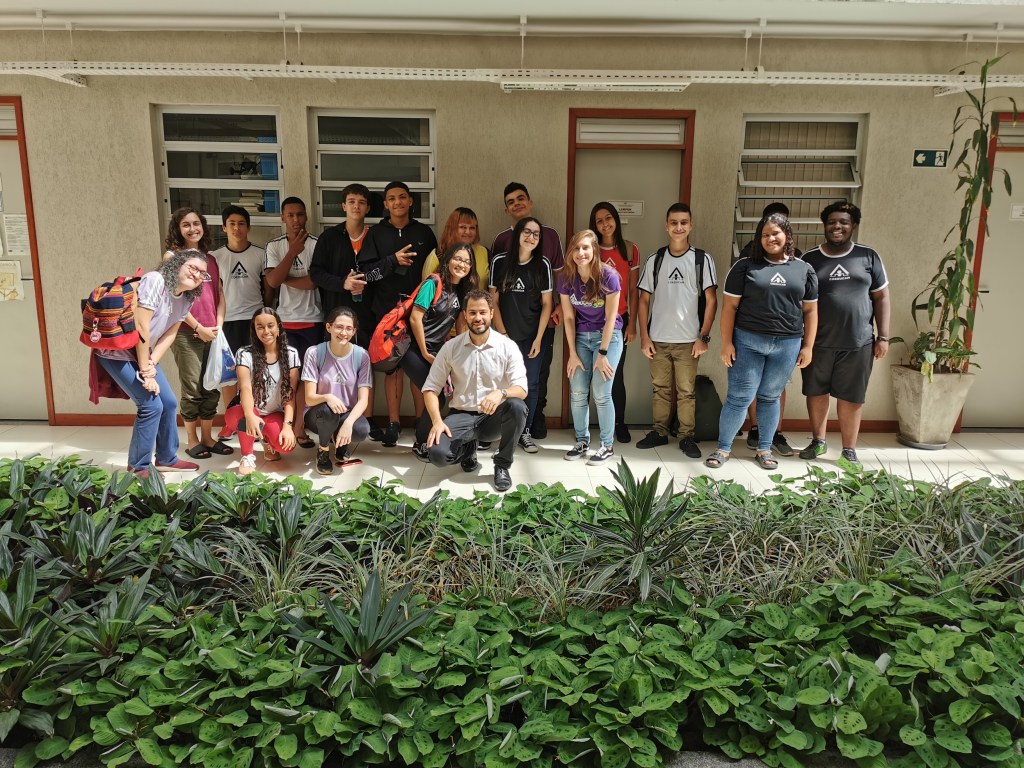
The curriculum was carefully crafted in alignment with the Brazilian Law of Guidelines for National Education (Law 9394/1996), the Common National Curricular Base, established by the Ministry of Education, and the professional needs of undergraduate students, most of whom were preparing for careers as K–12 teachers. The topics selected addressed both the specific historical contexts of African societies and the demands of Brazilian society for a deeper engagement with African and Afro-diasporic histories.
In 2024, I joined the University of California, Santa Cruz, as Assistant Professor of African History. Once again, I was invited to develop new courses in African History, this time with a focus on the precolonial period, which had not previously been represented in the curriculum. The challenges here are quite distinct: most students are not pursuing teaching careers in K–12 education; instead, the courses fulfill general education requirements and therefore attract students from a wide range of majors, nationalities, and professional aspirations.
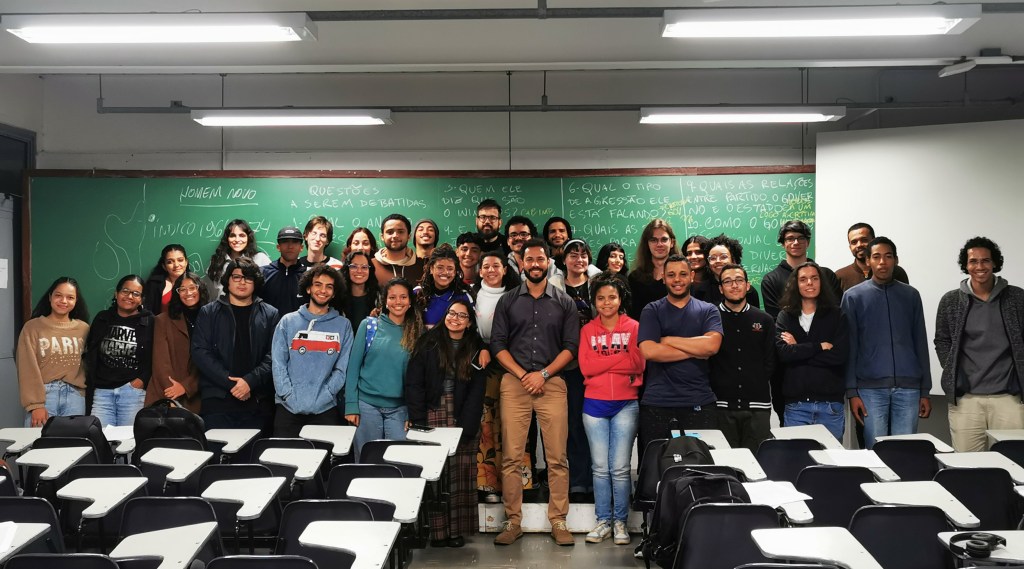
In this international and interdisciplinary context, I designed courses that emphasize transferable skills, such as critical thinking, comparative analysis, and intercultural understanding, that students can carry into diverse professional environments. The goal is to train students to appreciate the historical complexity of the African continent, recognize its diversity, and move beyond stereotypical narratives of African peoples and cultures, while also remaining attentive to diasporic connections.
At UCSC, I led a project funded by the Experiential Learning Opportunities in Research (EXPLORE) Program that resulted in the report “Mapping the offering of courses in African History through the UC system: What is Africa’s place in History curricula?”. This study provides detailed data on faculty, courses, concentration areas, and comparative statistics across world regions within the UC system, offering valuable insights for departments to assess their curricula and the ways they represent different peoples and cultures. The project also provided three students with the opportunity to engage critically in research, gaining hands-on experience in analyzing and presenting complex academic data.
These two very different experiences, designing curricula within both Brazilian and U.S. educational frameworks, have given me a deep understanding of the dynamics of curriculum development in African Studies. They have required careful consideration of geographic, historical, national, and cultural specificities, as well as a wide range of strategies for successful implementation.
Building on this expertise, I now extend my professional work into the field of curriculum design and educational consulting. I am available to support institutions seeking to strengthen or expand their offerings in African History and related fields.
 Thiago H. Mota