

Material Islam:
Objects of Faith, Religious Performance, and Social Meanings in West Africa
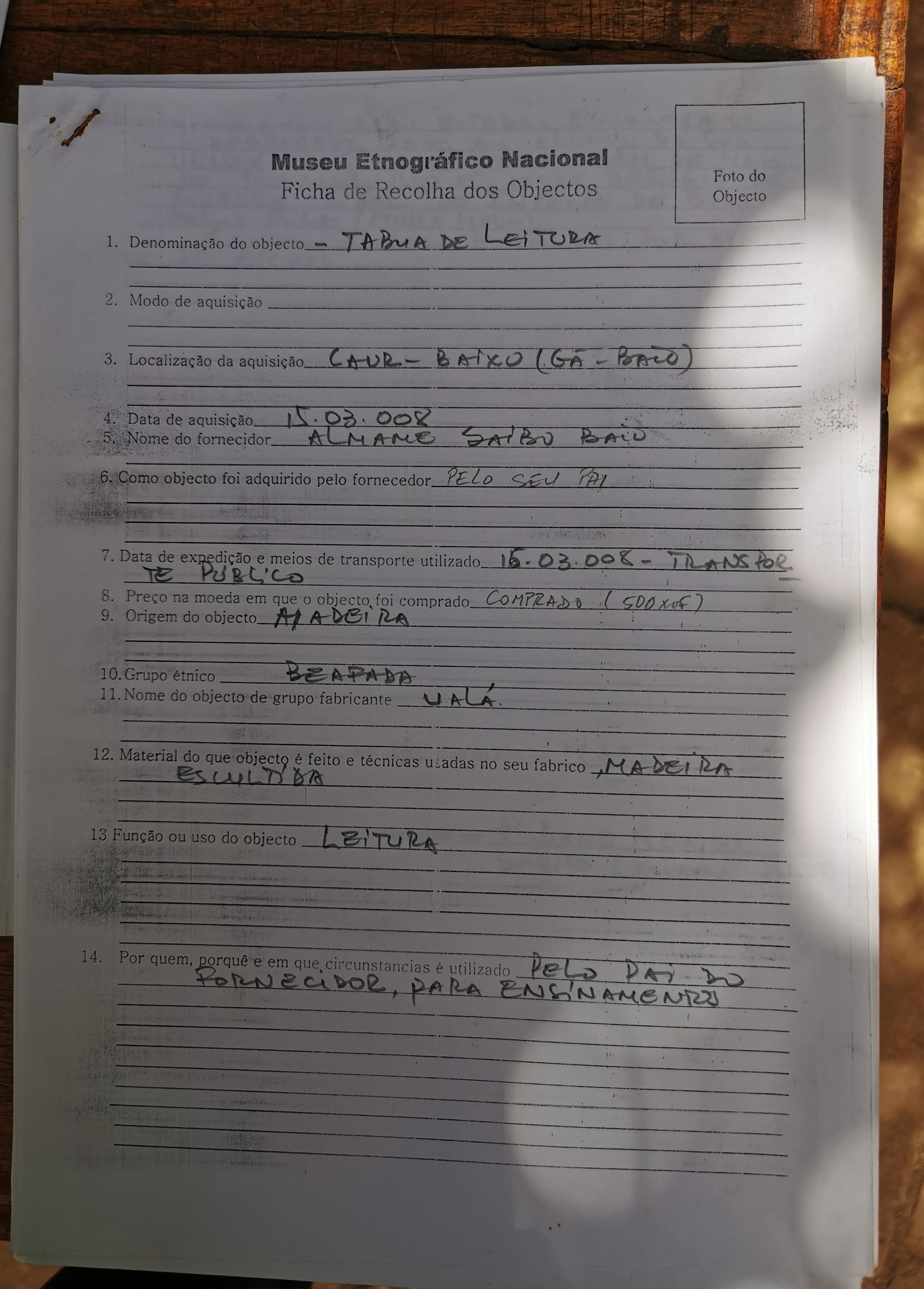
Funded by The Humanities Institute, the Hellman Fellows Program, and CNPq, this project examines how museum institutions have collected, interpreted, and represented Islamic material culture in West Africa, with a particular focus on Guinea-Bissau. Its central aim is to investigate how museums have shaped what counts as “Islamic heritage” and, in doing so, to reveal the enduring influence of colonial epistemologies on the representation of African Islam. While nearly half of Africa’s population is Muslim, Islam remains marginal in both popular and scholarly narratives of the continent. This project addresses that gap by foregrounding the material and intellectual traditions of West African Muslim communities and interrogating how musealization has reframed these traditions.
New Perspectives on Islam in West Africa
Insights from Brazilian Historiography
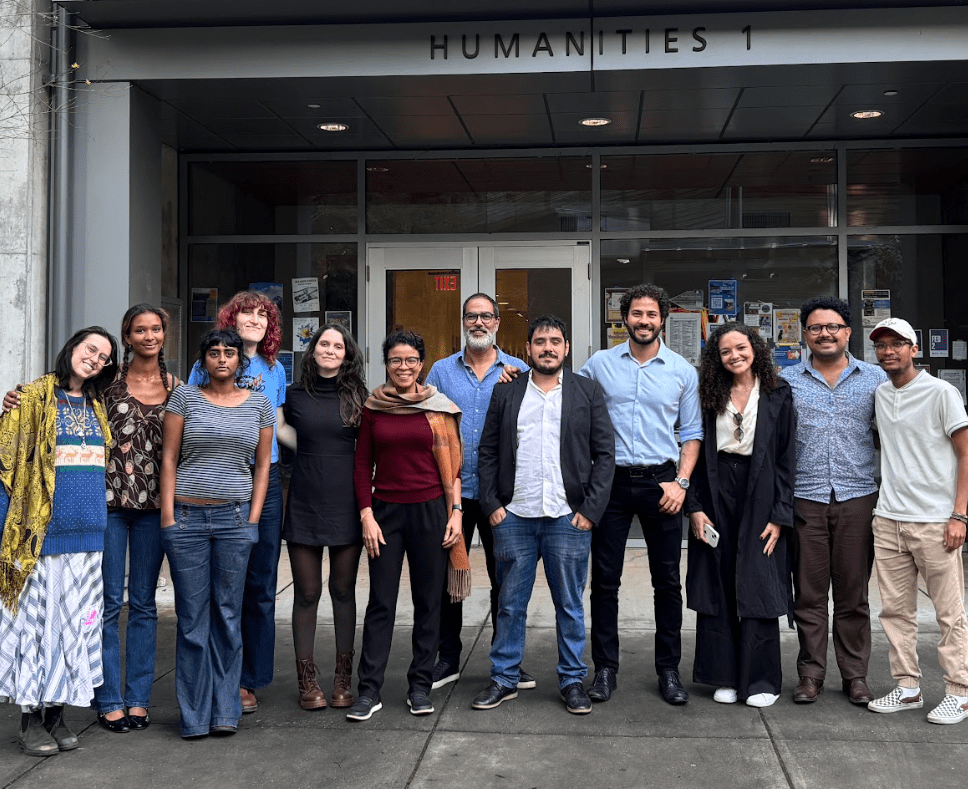
This project peaked in a workshop at the University of California, Santa Cruz, in February 2026. It aimed to produce a special issue for an academic journal to explore the question: how is Islam practiced in West Africa interpreted from a perspective situated in Latin America? To this end, the volume will feature contributions from Brazilian historians working in social, cultural, economic, intellectual, and political history who have advanced studies of Islam in Africa beyond the field’s traditional axes. Drawing on the concept of the geopolitics of knowledge and its impact on contributions and innovations in a field, we ask: what new perspectives emerge from historians whose professional training and subjective experience are shaped outside the mainstream American and Western European academic systems? Spanning the 15th to the 20th century and covering the region from Mauritania to Nigeria, this dossier seeks to address this question from the standpoint of Brazilian historiography. Following the journal’s language policies, this special issue will include articles in both Portuguese and English.
Islamic Material Culture in West Africa
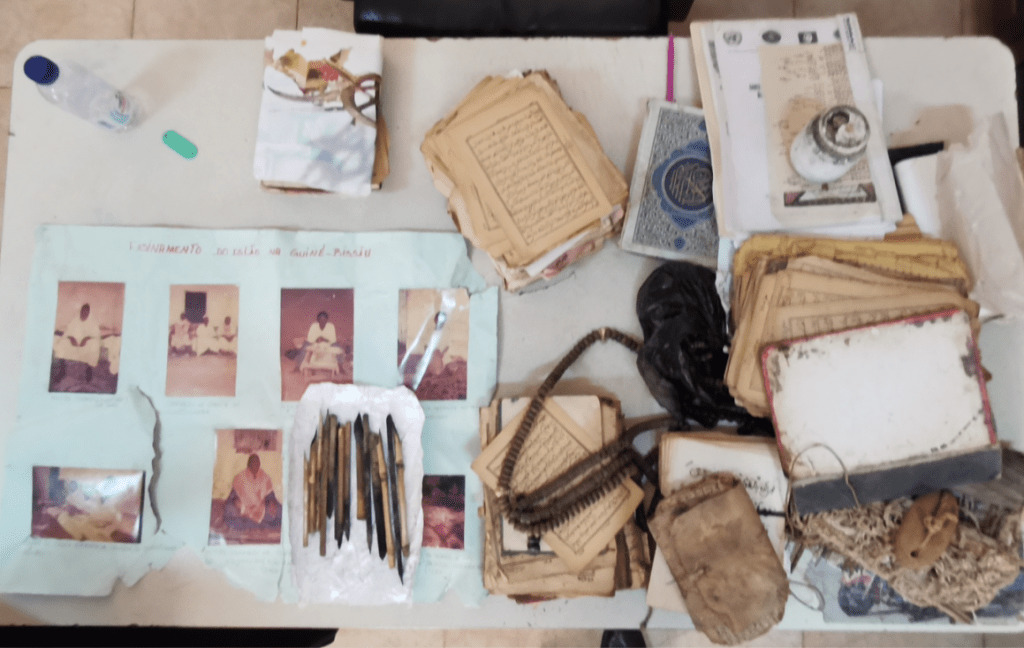
Islamic Material Culture in West Africa is a public humanities project funded by the Humanities EXPLORE Program 2025–2026 at the University of California, Santa Cruz. Bringing together archival research, curatorial practice, and community engagement, the project explores the histories and meanings of Islamic material culture in West Africa. Through a collaborative partnership between the National Ethnographic Museum and UCSC exhibition galleries, the initiative supports the development of an international exhibition and catalog focused on objects, manuscripts, and artistic traditions connected to Muslim societies in the Senegambia region.
Building on ongoing research and teaching initiatives on Islam in West Africa, the project seeks to make African Islamic histories more accessible to both academic and public audiences. Students and collaborators participate in archival and object-based research, exhibition preparation, and public programming, gaining hands-on experience in research methods, curatorial work, event coordination, and public humanities practice. By fostering interdisciplinary collaboration and cross-cultural dialogue, the project highlights the richness and diversity of Islamic traditions in West Africa and their global historical significance.
What is Africa’s Place in History Curricula?
Mapping the offering of courses in African History for undergrad students across the UC System
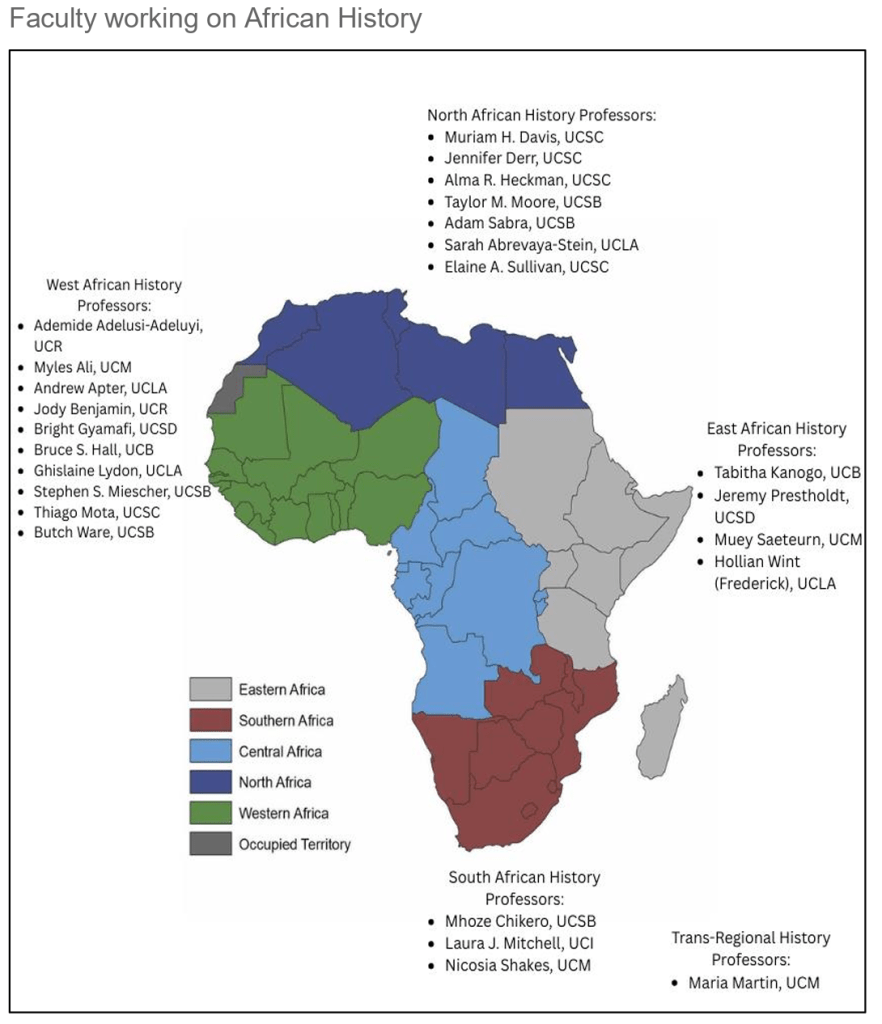
A systemwide review of UC History Departments (by June 2025) reveals that African History— defined by continental geography covering 54 African countries and territories—remains marginal across campuses, with faculty representation (as for May, 2025) working on African History ranging from 0% (UC Davis) to 28.57% (UC Merced) and course offerings over the past decade ranging from 0.42% (UC Irvine) to 9.86% (UC Merced). Faculty expertise is unevenly distributed—West Africa (10), North Africa (7), East Africa (4), Southern Africa (3), and West Central Africa (0)—and courses often treat the continent broadly, unlike the more region- or period-focused approaches to European and Asian histories. This imbalance undermines the UC History departments’ commitment to global History, requiring short-term measures such as aligning curricula with existing expertise, targeted course marketing, and student polling, alongside long-term investments in faculty hiring and regional coverage. On the bright side, the system has an impressive number of scholars working on Africa (24), who could team up to build one of the strongest interinstitutional African History Programs worldwide.

